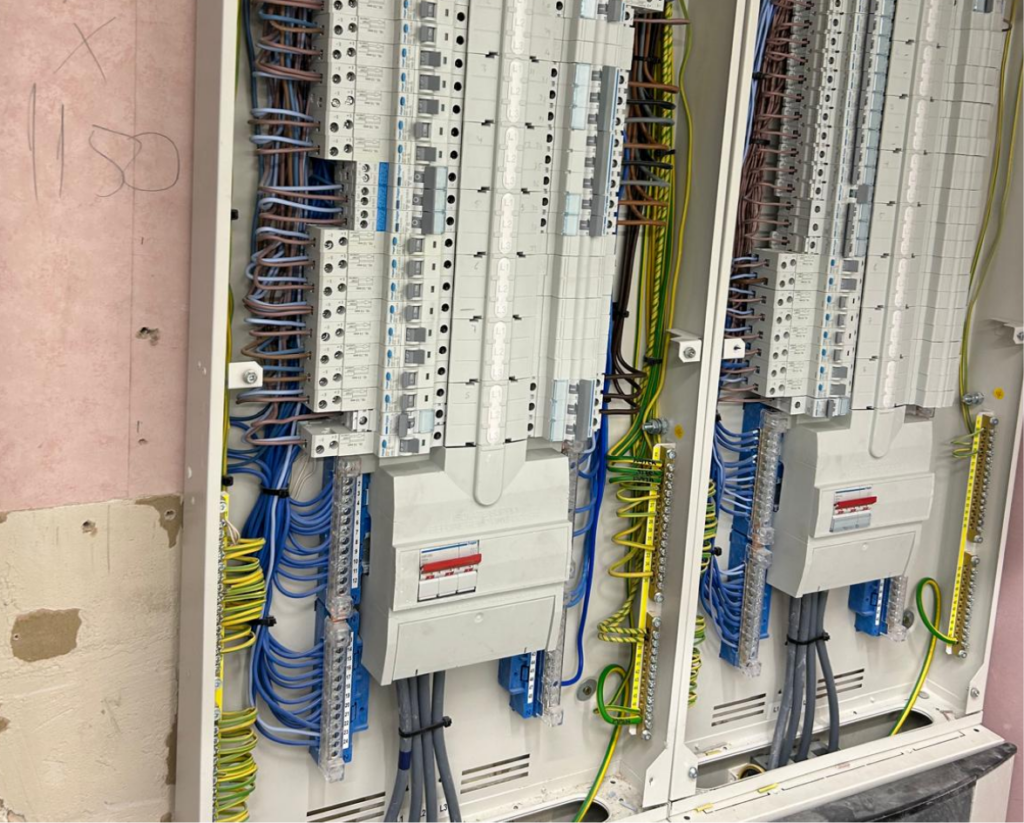
An Electrical Installation Condition Report (EICR) is the formal document produced following a thorough inspection and test of an existing electrical installation. For residential landlords in England, an EICR is a legal requirement. For commercial and industrial premises, it is a critical part of meeting your obligations under the Electricity at Work Regulations 1989. And for homeowners, it is the only reliable way to know whether the electrical installation in your property is safe and in satisfactory condition. At LC Electrical Installations, we carry out EICR inspections for residential, commercial, and industrial clients across London and surrounding areas, providing clear, properly documented reports issued by qualified, NICEIC-approved electricians.



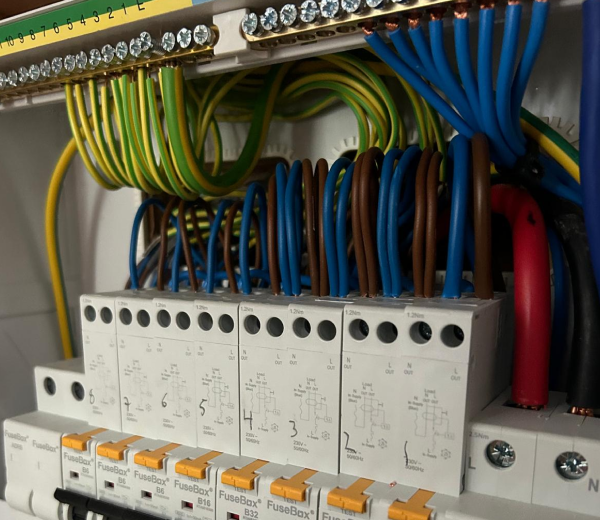
An Electrical Installation Condition Report is a formal document produced by a qualified electrician following a thorough inspection and test of an existing electrical installation. The purpose of an EICR is to assess whether the installation is in a satisfactory condition for continued use, to identify any damage, deterioration, defects, or non-compliance with current standards, and to provide a clear record of the condition of the installation at the time of the inspection.
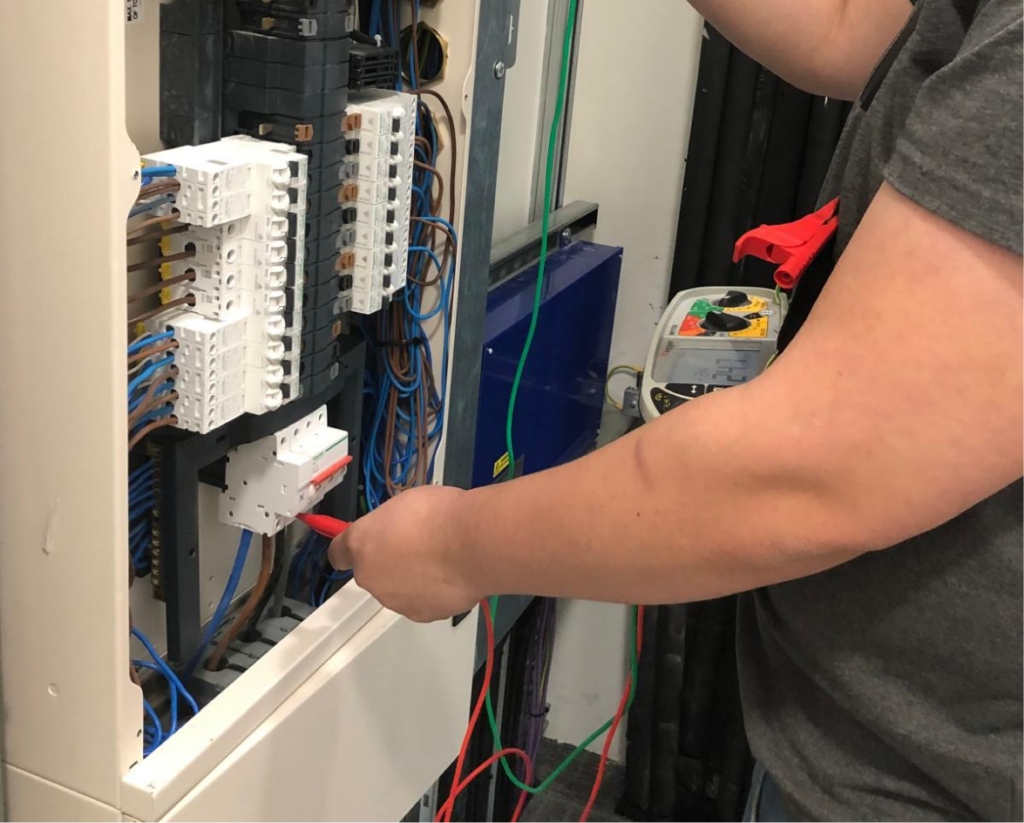
The inspection involves both a detailed visual examination of the installation and physical testing of circuits, protective devices, earthing, and bonding. Every circuit in the property is assessed, and the findings are recorded on the report against the relevant requirements of BS 7671. Any issues identified are given a classification code indicating their severity, and the report concludes with an overall assessment of whether the installation is Satisfactory or Unsatisfactory.
At LC Electrical Installations, we carry out EICR inspections for all types of residential, commercial, and industrial properties across London and the surrounding counties. Every EICR we issue is thorough, clearly presented, and produced by a qualified, NICEIC-approved electrician.
An EICR is not a pass or fail certificate in the way an MOT is. It is a condition report, and its value lies in the detail of what it records. A Satisfactory result means the installation is in a reasonable condition for its age and type and is safe for continued use. An Unsatisfactory result means that one or more issues have been identified that require remedial action before the installation can be considered safe and compliant.
For residential landlords in England, an EICR is a legal requirement under the Electrical Safety Standards in the Private Rented Sector (England) Regulations 2020. An EICR from a qualified electrician is the document that demonstrates compliance with this obligation.
For employers and duty holders responsible for commercial and industrial premises, a regular EICR is the most widely accepted way of demonstrating compliance with the duty to maintain electrical installations safely under the Electricity at Work Regulations 1989.
Many electrical faults develop gradually and are invisible to the untrained eye. An EICR identifies deteriorating insulation, loose connections, inadequate earthing, overloaded circuits, and other issues that pose a genuine risk of electric shock or fire if left unaddressed.
Most property insurers expect electrical installations to be regularly inspected and in satisfactory condition. An EICR provides the documented evidence your insurer may require, and a lack of one can affect your ability to make a claim following an electrical incident.
An EICR is increasingly expected as part of the documentation produced during property sales and lettings. Having a current, satisfactory EICR gives buyers, tenants, and their advisers confidence in the condition of the property's electrical installation.
An EICR provides a written record of the condition of the electrical installation at a specific point in time. This is valuable for facilities managers, property managers, and landlords managing multiple properties, giving them a documented baseline against which future inspections can be compared.
One of the most important aspects of an EICR is the classification codes applied to any observations recorded during the inspection. These codes indicate the severity of each issue found and what action, if any, is required. Understanding them helps you interpret your report correctly.
A C1 classification means that danger is present and a risk of injury exists. C1 items require immediate action. Where a C1 observation is identified during an inspection, the issue should be made safe before the inspection is complete where possible, or isolated if it cannot be immediately rectified. An installation with a C1 observation will receive an Unsatisfactory overall result.
A C2 classification means that the observation identified could become dangerous if left unaddressed. C2 items require urgent remedial action. An installation with a C2 observation will also receive an Unsatisfactory overall result, and remedial works should be carried out promptly.
A C3 classification means that while the issue identified does not represent an immediate danger, improvement is recommended. C3 items do not result in an Unsatisfactory overall result on their own, but they should not be ignored. They typically indicate areas where the installation does not fully meet current standards, even if it was compliant when originally installed.
An FI classification means that a potential issue has been identified that requires further investigation before its severity can be determined. This might arise where part of the installation is concealed or inaccessible during the inspection. FI items do not automatically result in an Unsatisfactory result, but the further investigation should be carried out promptly.
At LC Electrical Installations, we explain all observations and their classifications clearly in plain language, so you understand exactly what has been found and what action, if any, is required.
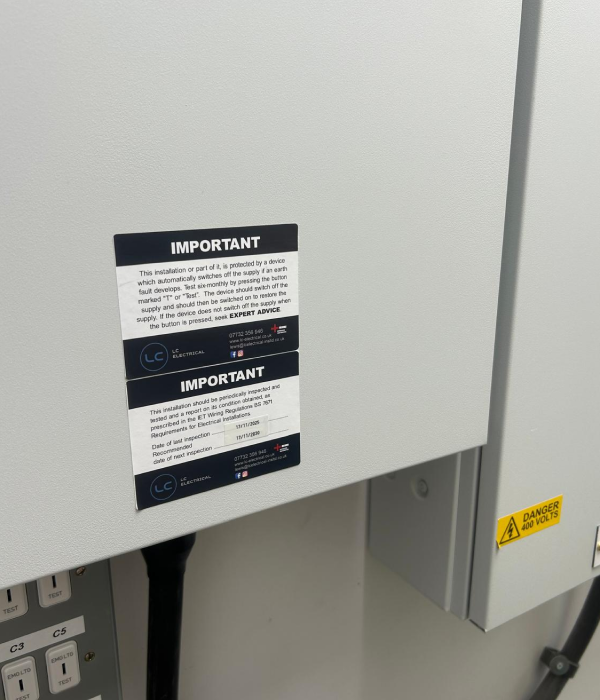
An EICR is relevant to a wide range of property owners and occupiers, and in many cases, it is a legal requirement rather than simply a recommendation.
Arranging an EICR is a straightforward process, but there are a few practical points worth bearing in mind.
At LC Electrical Installations, we aim to make the EICR process as smooth and straightforward as possible and are happy to carry out any remedial works identified in the report.
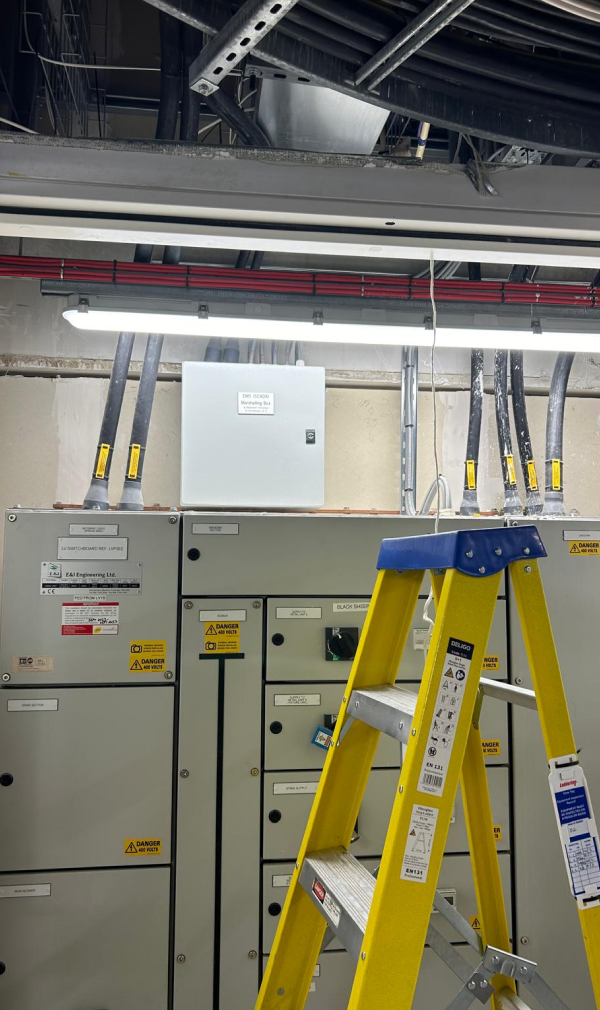
At LC Electrical Installations, we understand that an EICR is only as useful as the quality of the inspection behind it. A thorough, properly documented EICR gives you genuine assurance about the condition of the installation and stands up to scrutiny from tenants, insurers, and enforcement authorities. A superficial one does not.
Our electricians are qualified, NICEIC-approved, and experienced across all types of residential, commercial, and industrial electrical installations. We carry out every EICR methodically, record our findings accurately, and present the results in a report that is clearly written and easy to understand. We explain all observations and their classifications in plain language, and we are always happy to discuss the findings with you after the inspection.
We carry out EICR inspections across London, Hertfordshire, Buckinghamshire, Bedfordshire, and Middlesex, and we can carry out any remedial works identified in the report as part of the same service. If you are a landlord managing multiple properties, we are experienced in coordinating inspections across portfolios and providing consistent, reliable documentation for each one.
1. Enquiry & Booking - Property Type, Size & Access Requirements Confirmed
2. Inspection Scheduled at a Convenient Time
3. Visual Inspection of the Full Electrical Installation
4. Circuit Testing - Continuity, Insulation Resistance, Polarity & Earth Loop Impedance
5. RCD & Protective Device Testing
6. Assessment & Classification of All Observations Found
7. EICR Report Compiled & Issued — Satisfactory or Unsatisfactory
8. Remedial Works Quoted & Carried Out Where Required
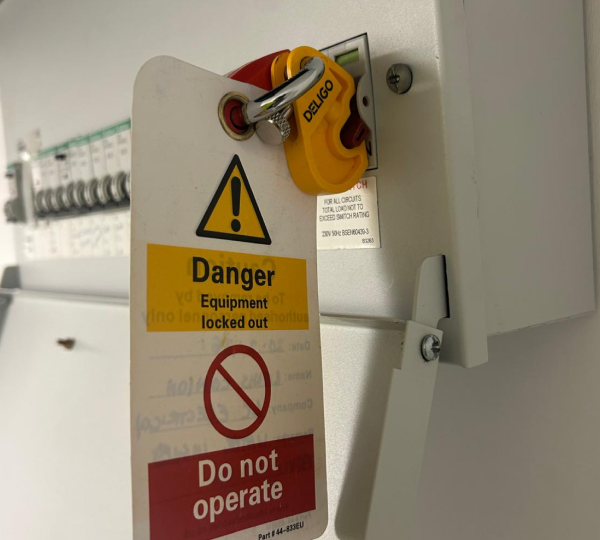
For residential landlords in England, yes. An EICR is required at least every five years under the Electrical Safety Standards in the Private Rented Sector (England) Regulations 2020. For commercial and industrial premises, the Electricity at Work Regulations 1989 require that electrical installations are maintained safely, and an EICR is the accepted way of demonstrating compliance. For owner-occupied homes, an EICR is not legally required but is strongly recommended every ten years or on purchase of a property.
An Unsatisfactory result means that one or more C1 or C2 observations have been identified that require remedial action. For landlords, remedial works must be completed within 28 days of the inspection, or sooner if the report specifies. We provide a clear quotation for any remedial works required and can carry them out promptly. Once the works are complete, we issue a completion certificate confirming the observations have been addressed.
For a typical domestic property, an EICR takes between two and four hours depending on the size of the property and the number of circuits. Larger commercial and industrial premises will take longer. We will give you a clear indication of the time required when you book.
The cost of an EICR depends on the size of the property and the number of circuits to be tested. We provide competitive, transparent pricing with no hidden costs. Get in touch for a quote tailored to your property.
For residential rental properties, at least every five years or at change of tenancy. For owner-occupied homes, every ten years is the general recommendation. For commercial premises, every five years is standard. For industrial premises, every three years is commonly recommended. We will advise on the right interval for your specific installation.
Yes. We are happy to carry out any remedial works identified in the report and can provide a clear, itemised quotation for these works following the inspection. Many of our clients find it convenient to have us carry out both the EICR and any resulting remedial works as part of the same service.
Yes. We carry out EICR inspections for commercial premises and industrial facilities of all sizes across London and the Home Counties, working around operational requirements where possible and producing full, clearly documented reports on completion.
Keep it safely with your property records. If you are a landlord, you must provide a copy to your tenants within 28 days of the inspection and to any prospective tenant within 28 days of a request. You must also provide a copy to your local authority if requested. If the report is Unsatisfactory, you must also provide a copy of the completion certificate for remedial works once they have been carried out.
Whether you are a landlord with a legal obligation to meet, a homeowner wanting peace of mind, or a business or industrial operator needing documented compliance with the Electricity at Work Regulations, LC Electrical is ready to help. We offer competitive, transparent pricing and free quotes for EICR inspections across London, Hertfordshire, Buckinghamshire, Bedfordshire, and Middlesex.
Our team is easy to deal with, thorough, and experienced across all types of residential, commercial, and industrial EICR work. Get in touch today and tell us what you need and we'll take it from there.