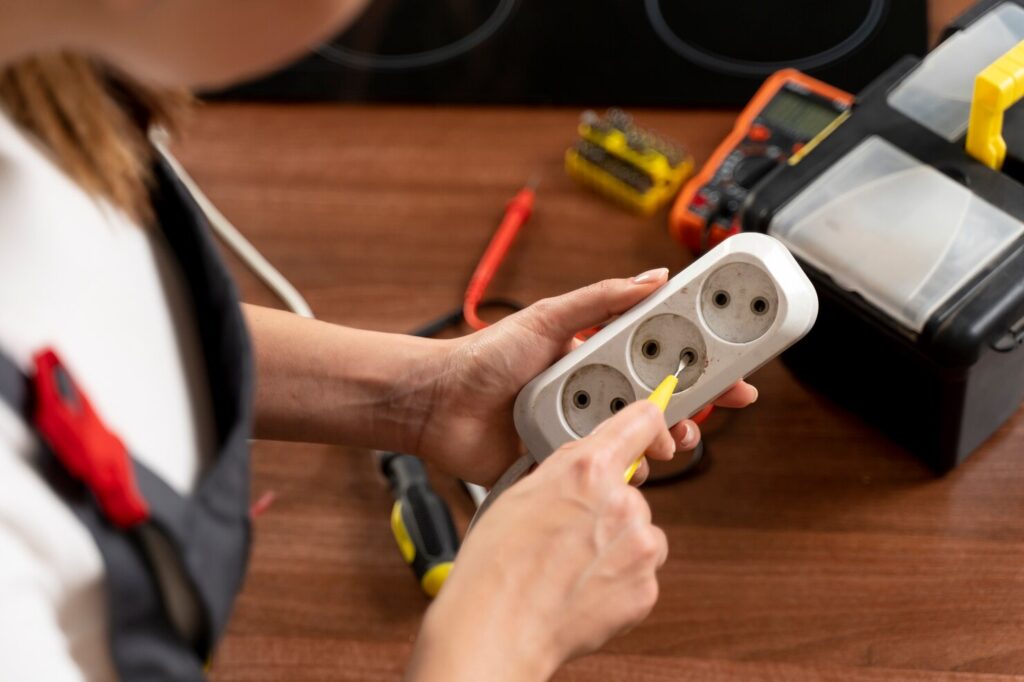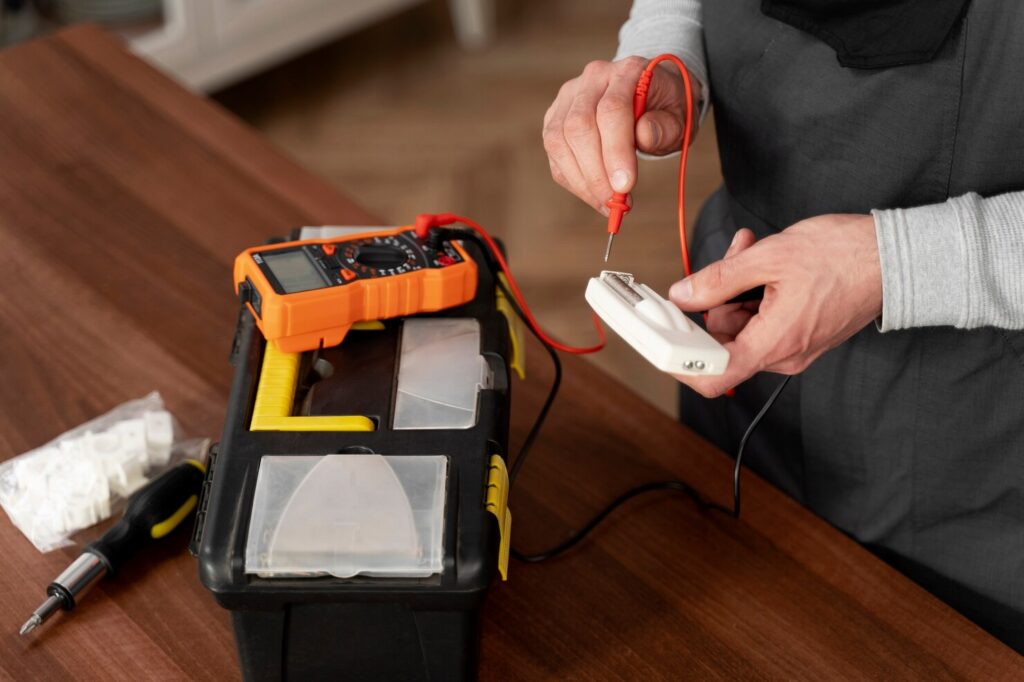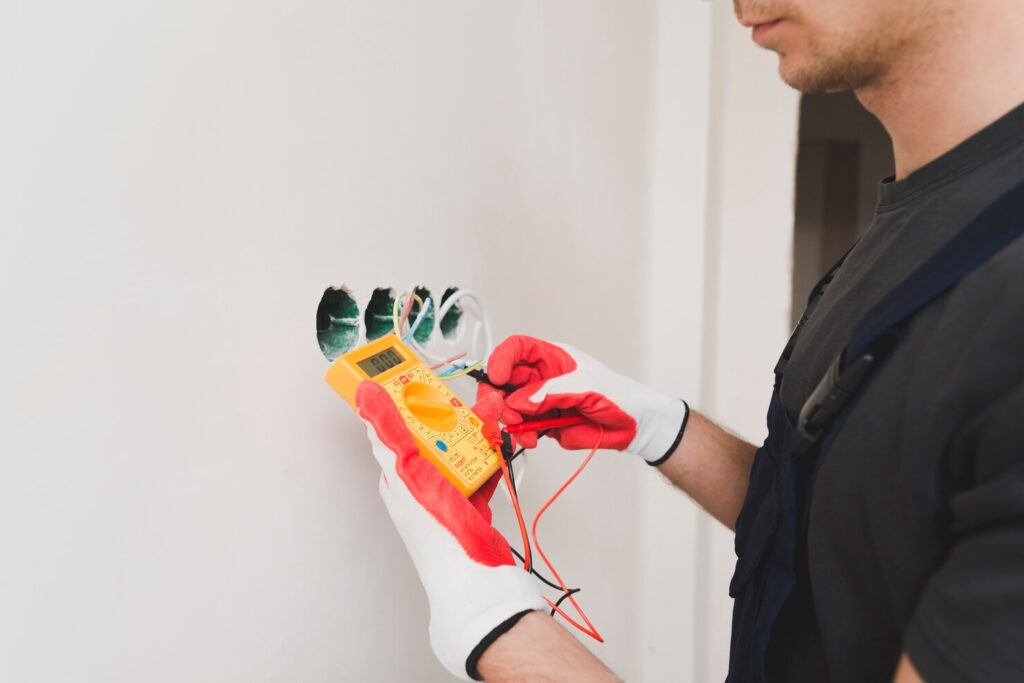
Portable Appliance Testing, commonly known as PAT testing, is the process of inspecting and testing portable electrical appliances to ensure they are safe for continued use. For businesses, landlords, and industrial operators, PAT testing is an important part of meeting your duty of care obligations to employees, tenants, and visitors under UK health and safety legislation. At LC Electrical Installations, we provide professional PAT testing services for commercial, residential, and industrial clients across London and surrounding areas, testing, logging, and labelling all appliances and providing full documentation on completion.



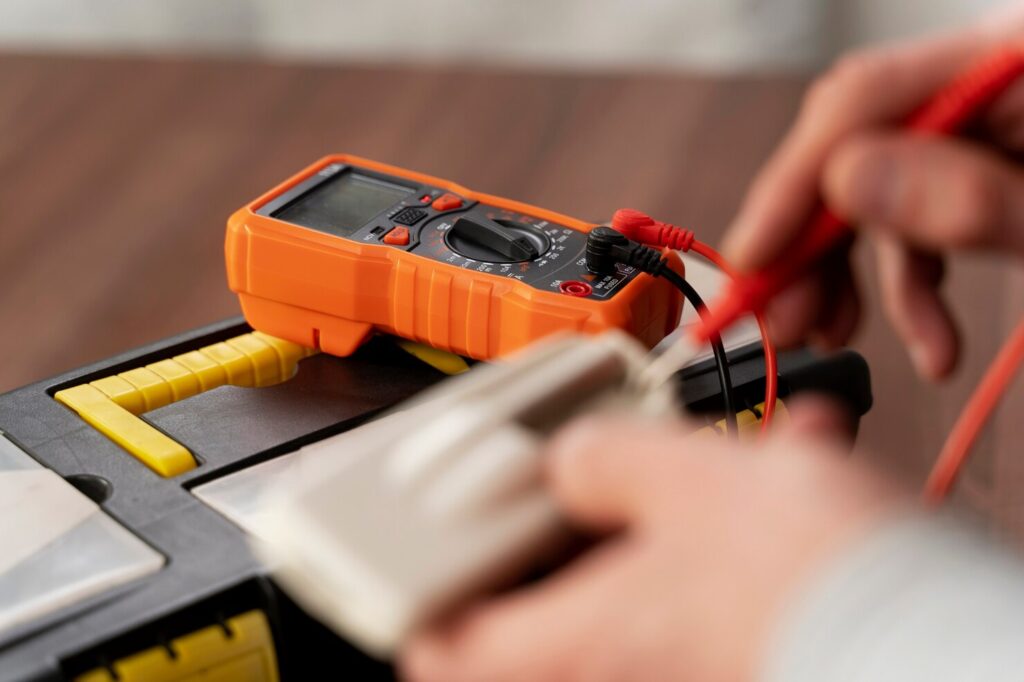
PAT testing is a routine inspection and electrical test carried out on portable electrical appliances to determine whether they are safe to use. The term portable appliance covers a wide range of equipment, anything with a plug that can be moved and connected to the mains supply. This includes everything from desk lamps, computers, and kettles in an office environment through to power tools, extension leads, and production machinery in an industrial setting.
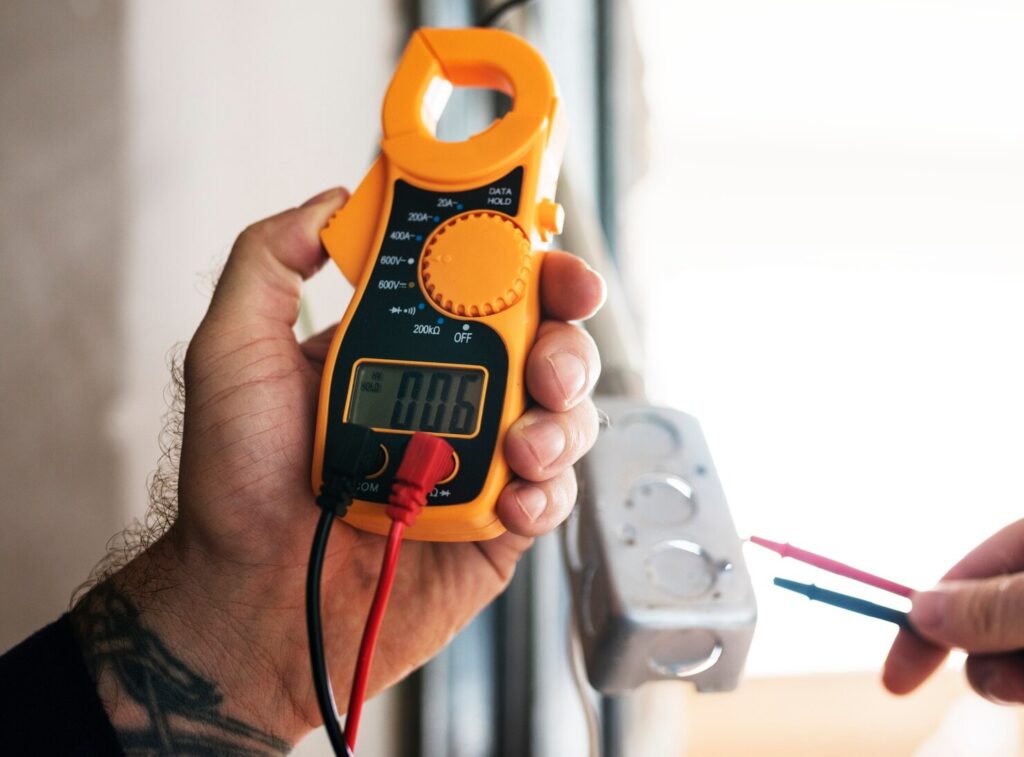
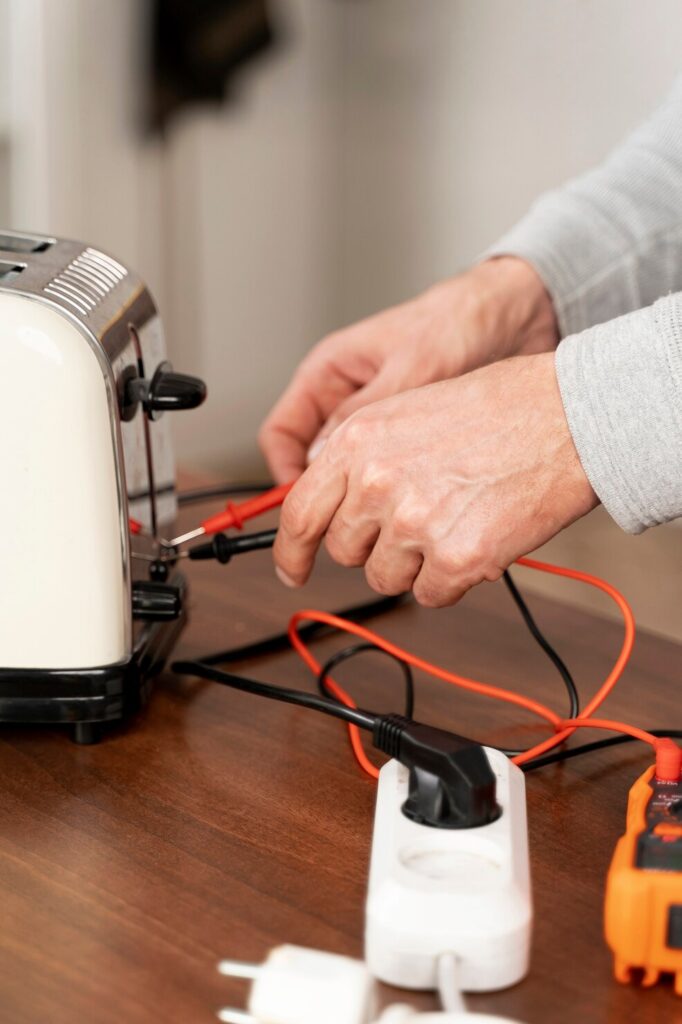
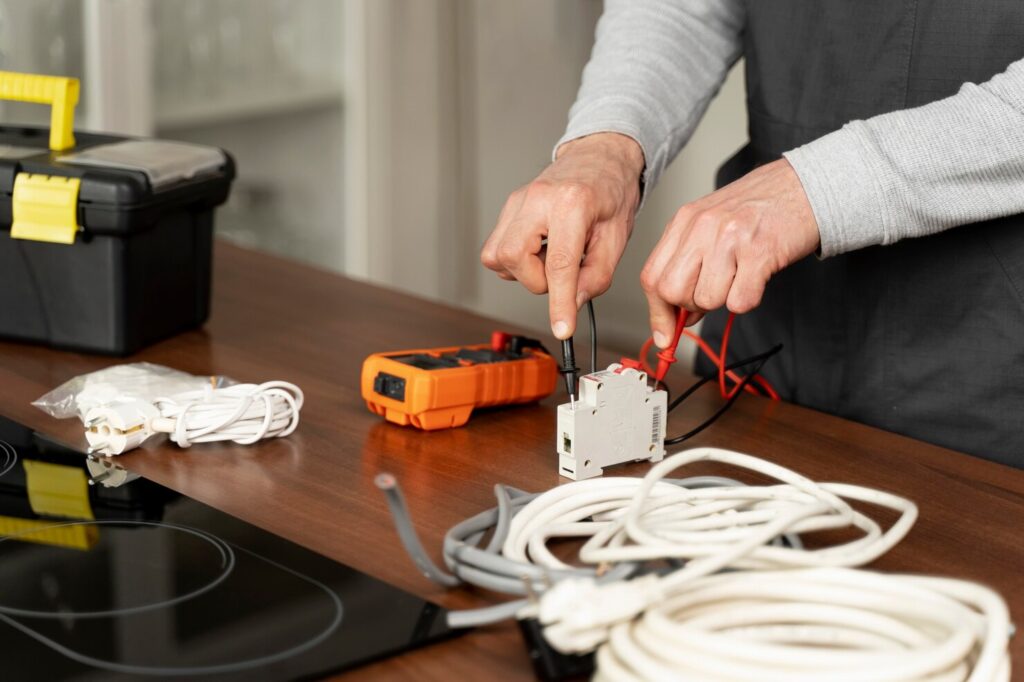
PAT testing involves two elements. The first is a visual inspection of the appliance, its plug, cable, and any visible wiring, checking for signs of damage, wear, or unsafe modification. The second is an electrical test using a dedicated PAT tester, which measures insulation resistance, earth continuity, and other electrical parameters to confirm the appliance is electrically safe. Appliances that pass are labelled with a dated pass sticker. Appliances that fail are labelled accordingly and removed from service pending repair or replacement.
After testing, a full written record is produced listing every appliance tested, the result, and the date of the next recommended test. This documentation forms an important part of your health and safety records.
There is no single law in the UK that specifically requires PAT testing to be carried out at set intervals, the obligation to ensure electrical equipment is safe is clearly established in legislation including the Electricity at Work Regulations 1989, the Health and Safety at Work Act 1974, and the Provision and Use of Work Equipment Regulations 1998. PAT testing is the widely accepted practical means of meeting these obligations.
At LC Electrical Installations, we carry out PAT testing for commercial, residential, and industrial clients across London and the surrounding counties. All testing is carried out by our qualified, NICEIC-approved electricians using calibrated test equipment, with full documentation provided on completion.
Employers have a legal obligation under the Health and Safety at Work Act 1974 and the Electricity at Work Regulations 1989 to ensure that electrical equipment in the workplace is safe. PAT testing is the accepted practical means of demonstrating that this obligation is being met.
A faulty portable appliance can cause electric shock, burns, or fire. Regular PAT testing identifies unsafe appliances before they cause injury or damage, protecting the people who use and occupy your premises.
Many commercial and business insurers require evidence that portable electrical appliances are regularly inspected and tested. PAT testing records demonstrate due diligence and can be critical in the event of an insurance claim involving a faulty appliance.
Professional PAT testing produces a complete, written record of every appliance tested, the result, and the recommended retest date. This documentation is an important part of your health and safety management records.
PAT testing catches appliances with deteriorating insulation, damaged cables, faulty plugs, and other electrical defects that may not be visible to the naked eye. Removing these from service before they fail prevents accidents and avoids the disruption of an unexpected equipment failure.
PAT testing is a straightforward and cost-effective way of managing electrical safety across a portfolio of appliances. The cost of identifying and removing a faulty appliance is considerably less than the cost of an electrical incident caused by one.
PAT testing is relevant to a wide range of clients across the commercial, residential, and industrial sectors. Here is an overview of the main groups for whom PAT testing is an important part of their electrical safety obligations.
Any business with electrical appliances in the workplace — offices, retail premises, restaurants, hotels, schools, healthcare facilities, and any other commercial environment, has an obligation to ensure those appliances are safe. PAT testing is the standard means of meeting this obligation and producing the documentation to demonstrate it. The frequency of testing depends on the type of equipment and the environment in which it is used.
Residential landlords have a duty of care to their tenants to ensure that any electrical appliances provided as part of a furnished tenancy are safe. PAT testing of landlord-supplied appliances, white goods, electric heaters, and other provided equipment, is the accepted way of demonstrating this. We work with landlords and letting agents managing single properties and larger portfolios across the region.
Houses in Multiple Occupation have specific obligations regarding electrical safety, and landlords of licensed HMOs are expected to ensure that portable appliances provided in the property are regularly tested and safe. PAT testing of HMO appliances is an important part of maintaining compliance with HMO licensing conditions.
Industrial environments typically have a large inventory of portable electrical equipment - from power tools and extension leads through to portable lighting, test equipment, and smaller machinery. The demands placed on electrical equipment in an industrial setting are considerably greater than in an office or domestic environment, and the consequences of a faulty appliance are potentially more serious. We carry out PAT testing for industrial clients across the region, working around operational requirements and providing full inventory documentation on completion.
Electrical equipment on construction sites is subject to particularly harsh conditions and is at high risk of damage. PAT testing of site equipment is an important part of construction site health and safety management, and power tools and other portable equipment on active sites are typically tested every three months. We carry out PAT testing for contractors and site operators across London and the Home Counties.
Temporary events, exhibitions, conferences, concerts, and other public gatherings, involve a large volume of portable electrical equipment being brought together and used in a public setting. Event organisers and venues have a duty to ensure appliances used at events are safe, and PAT testing records are often required by venue operators and event insurers.
Schools, colleges, and other educational settings have large inventories of electrical equipment, computers, projectors, science equipment, kitchen appliances, and more, all of which should be regularly PAT tested. We work with educational establishments to carry out efficient, well-documented PAT testing programmes with minimal disruption to the school day.
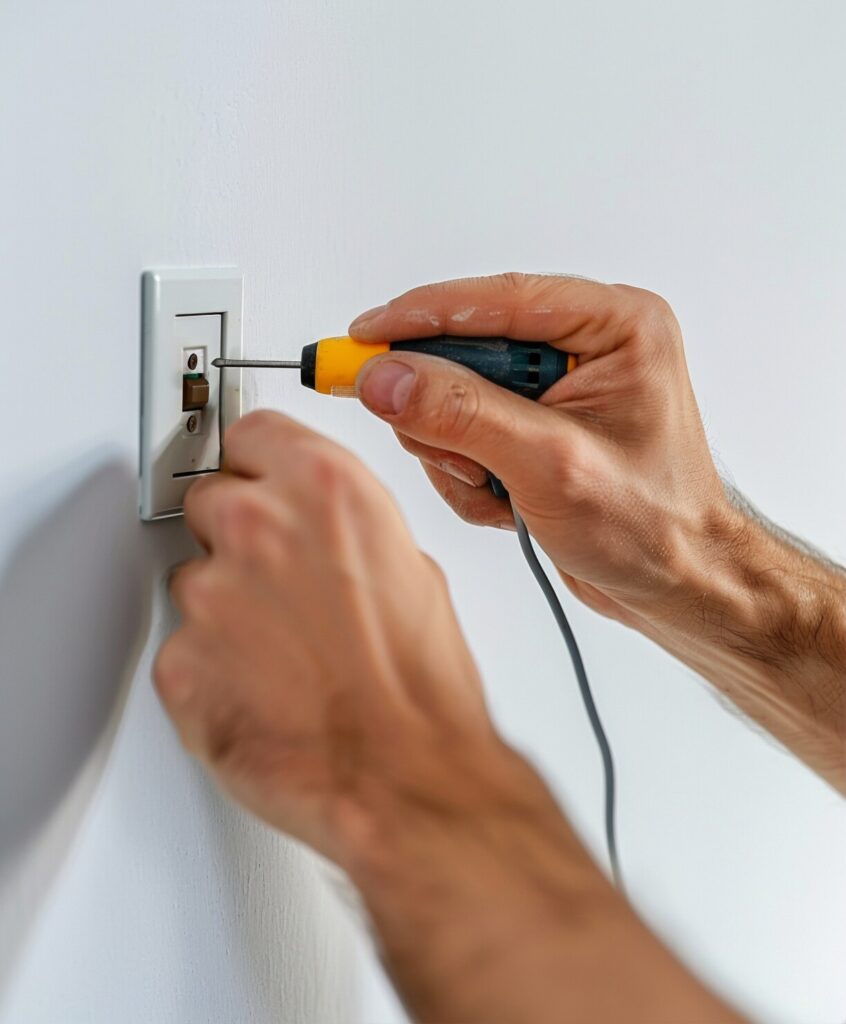
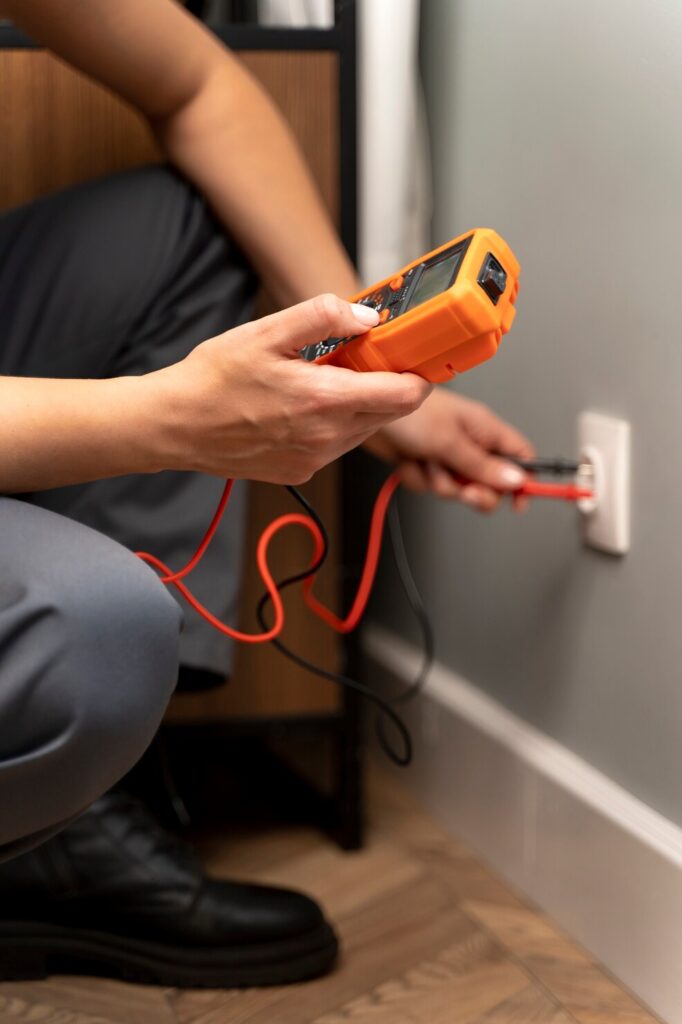
PAT testing is a straightforward process, but there are a few practical points worth thinking about before you arrange a visit.
The first is the size of your appliance inventory. For larger organisations with a significant number of appliances to test, it is worth having a rough idea of the quantity and type of equipment before we visit, as this helps us plan the visit efficiently and give you an accurate quote. For smaller businesses and residential landlords, a single visit will typically cover everything in one go.
The frequency of PAT testing is not fixed by law but is guided by the type of equipment, the environment it is used in, and the risk associated with its use. Office equipment in a low-risk environment is typically tested every one to two years. Equipment used in higher-risk environments like construction sites, industrial facilities, and kitchens are tested more frequently, often every three to twelve months. We will advise on the appropriate testing frequency for your specific situation.
It is also worth thinking about access to appliances on the day of the test. All appliances need to be accessible and, where possible, not in active use during testing. For businesses, arranging the PAT test outside of peak hours or at a time when disruption to staff is minimised is worth considering. We are flexible about scheduling and are happy to work around your operational requirements.
Finally, it is worth ensuring that any appliances that are known to be faulty or damaged are set aside before the visit. These will be identified during testing in any case but flagging them in advance helps us manage the process efficiently.
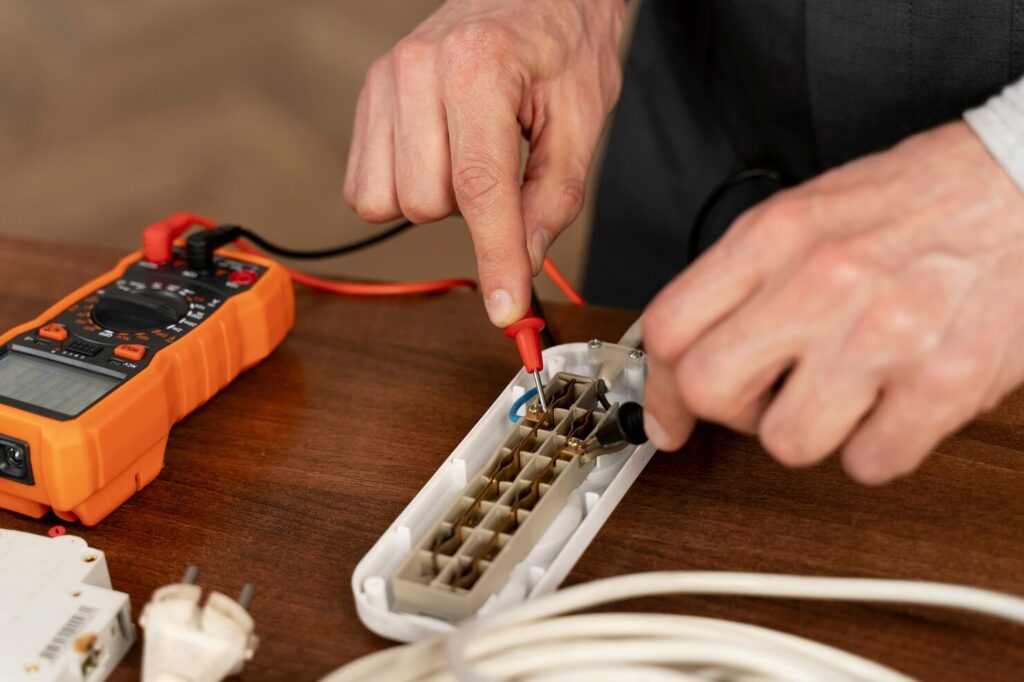
At LC Electrical Installations, we carry out PAT testing efficiently, thoroughly, and with the minimum disruption to your business or property. We use calibrated, up-to-date test equipment and test every appliance properly, we don't rush through inventories at the expense of thoroughness!
Every PAT test we carry out is followed by a complete written record of all appliances tested, clearly showing the result for each appliance, the date of testing, and the recommended retest date. All appliances are clearly labelled with dated pass or fail stickers. The documentation we provide is the kind that stands up to scrutiny from insurers, health and safety inspectors, and local authority officers.
We carry out PAT testing for commercial, residential, and industrial clients across London, Hertfordshire, Buckinghamshire, Bedfordshire, and Middlesex. Whether you have ten appliances in a small office or several hundred across a large industrial facility, LC Electrical Installations is ready to help.
1. Enquiry & Confirmation of Appliance Inventory & Premises Type
2. Visit Scheduled at a Time That Minimises Disruption
3. Visual Inspection of Every Appliance, Cable & Plug
4. Electrical Testing Using Calibrated PAT Test Equipment
5. Pass or Fail Label Applied to Every Appliance Tested
6. Failed Appliances Identified & Removed From Service
7. Full Inventory Record Compiled, Every Appliance, Every Result
8. Written Documentation Issued Ready for Your Health & Safety Records
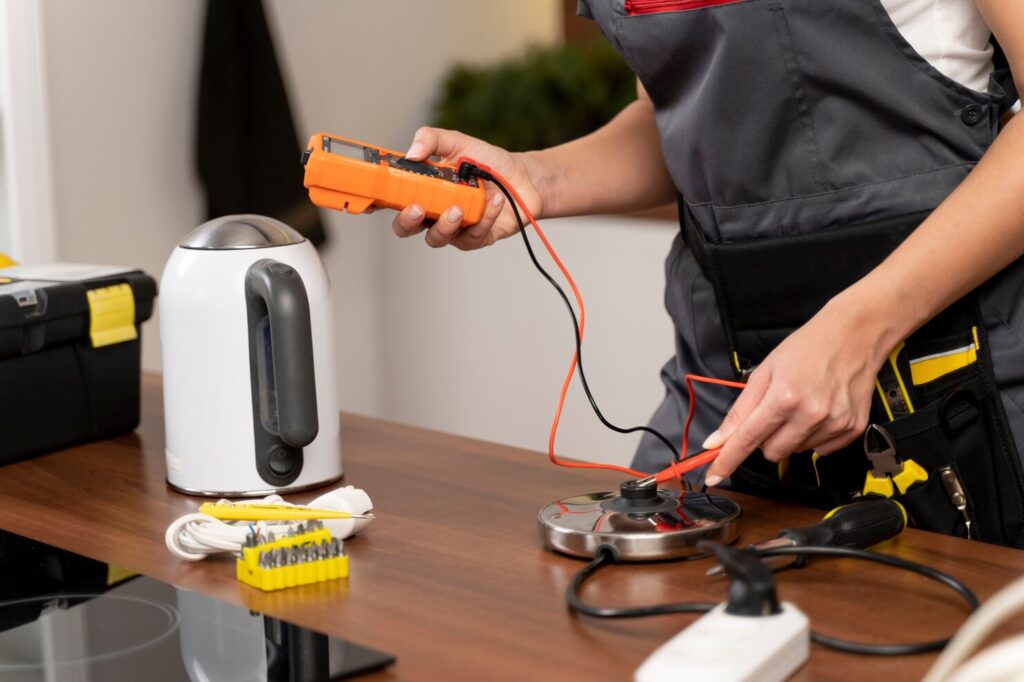
There is no single law that specifically requires PAT testing to be carried out at fixed intervals. However, the Electricity at Work Regulations 1989, the Health and Safety at Work Act 1974, and the Provision and Use of Work Equipment Regulations 1998 all place a duty on employers and landlords to ensure that electrical equipment is safe. PAT testing is the widely accepted practical means of meeting and demonstrating compliance with these obligations.
The recommended frequency depends on the type of equipment and the environment in which it is used. Office equipment in a low-risk environment is typically tested every one to two years. Equipment used in kitchens, construction sites, or industrial environments is tested more frequently, often every three to twelve months. We will advise on the appropriate frequency for your specific situation when you get in touch.
PAT testing covers any portable electrical appliance with a plug, computers, monitors, printers, desk lamps, kettles, microwaves, extension leads, power tools, portable heaters, and any other mains-powered equipment that can be moved and plugged in. Fixed appliances that are hardwired rather than plugged in are not included in PAT testing but may be covered under an EICR.
A failed appliance is labelled with a fail sticker and should be removed from service immediately. We will advise on whether the appliance can be repaired or should be replaced. Failed appliances are clearly recorded in the test documentation.
Yes. Every appliance tested receives a clearly dated pass or fail label, and we provide a full written record of all appliances tested, their results, and the recommended retest dates. This documentation is ready for your health and safety records.
Yes. For businesses where testing during the working day would cause disruption, we are happy to arrange testing outside of normal hours. This is something we discuss and agree at the booking stage.
Yes. We carry out PAT testing for residential landlords and HMO operators across London and the Home Counties, testing landlord-supplied appliances and providing documentation to support ongoing compliance with landlord electrical safety obligations.
The cost depends on the number of appliances to be tested. We provide competitive, transparent pricing based on your appliance inventory. Get in touch with an approximate idea of the number and type of appliances you need tested and we will provide a clear, no-obligation quote.
Whether you need PAT testing for a small office, a portfolio of rental properties, a large commercial premises, or an industrial facility with a significant appliance inventory, LC Electrical is ready to help. We cover commercial, residential, and industrial clients across London, Hertfordshire, Buckinghamshire, Bedfordshire, and Middlesex.
Our team is easy to deal with, efficient, and experienced across all types of PAT testing work. Get in touch today and tell us what you need and we'll take it from there.