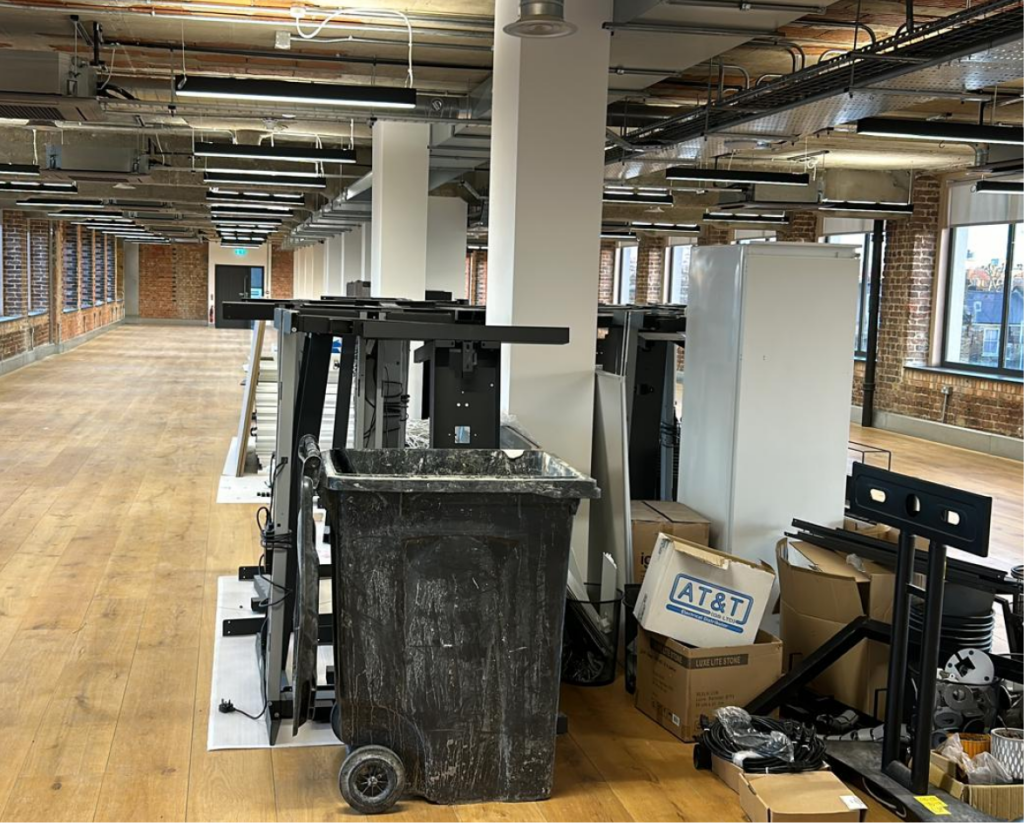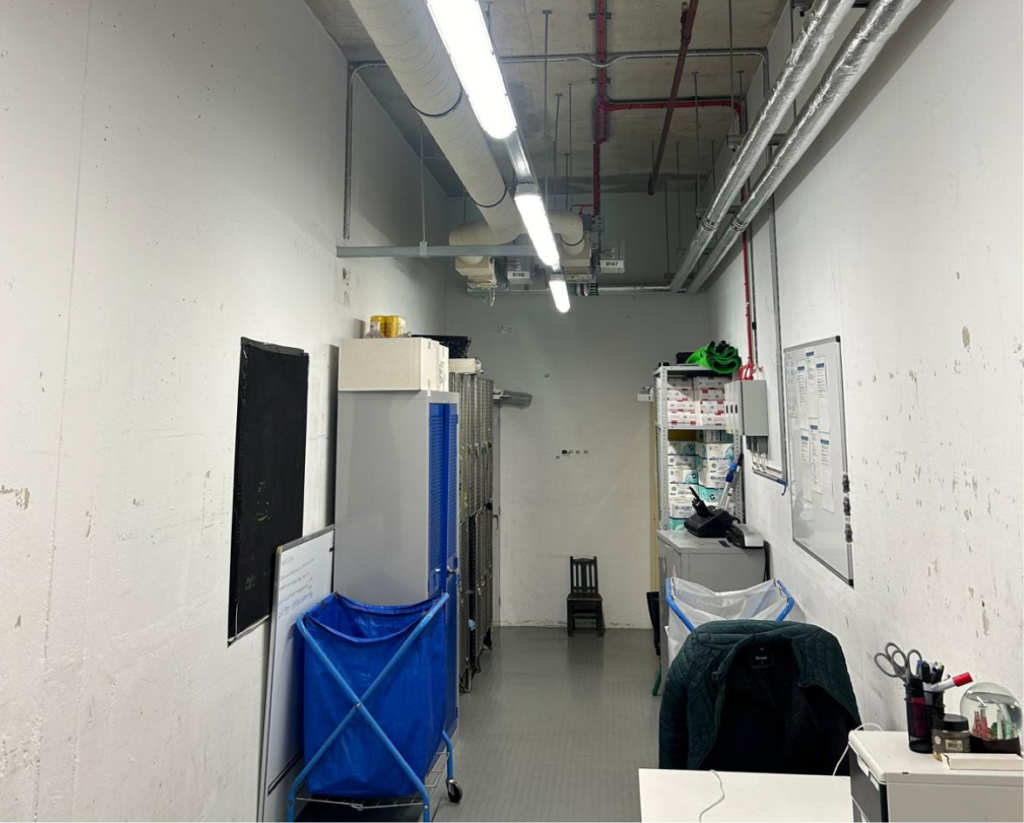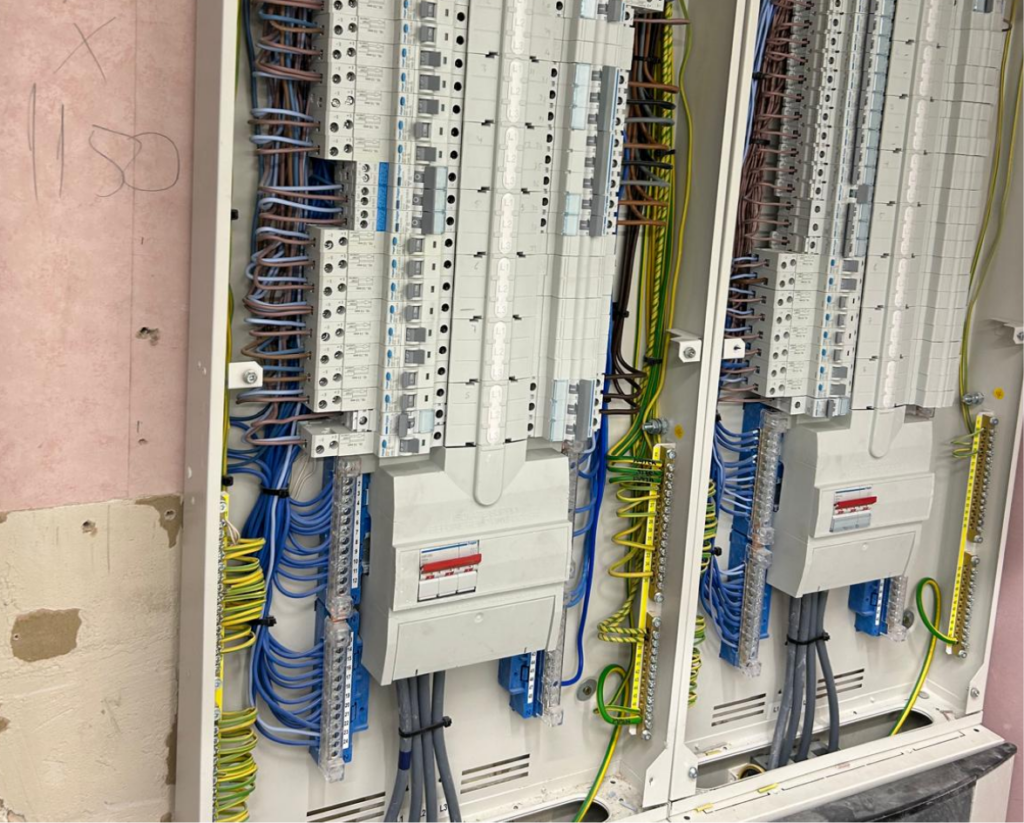
A full or partial rewire is one of the most important electrical jobs you can have carried out on a property. Whether you're dealing with ageing wiring that's past its safe working life, buying an older home that needs updating, or undertaking a renovation that requires a completely new electrical installation, getting it done properly by a qualified electrician is essential. At LC Electrical Installations, we provide expert rewiring services for residential, commercial, and industrial properties across London and surrounding areas - safely, compliantly, and with minimal disruption.



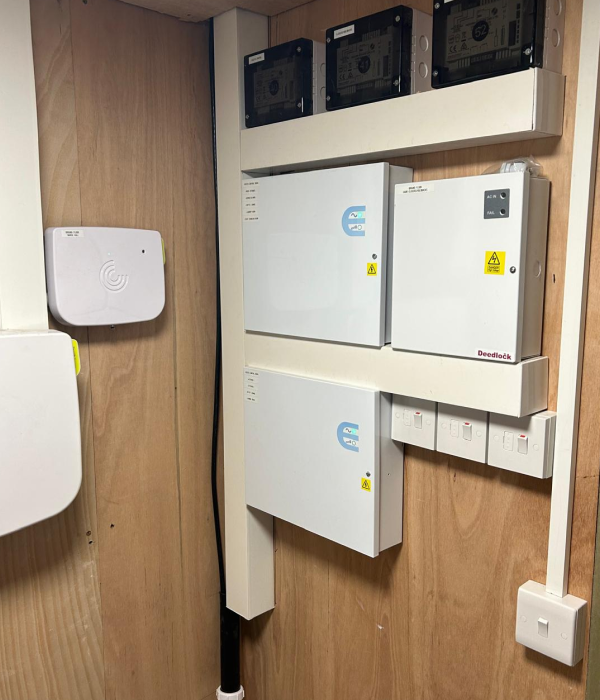
A rewire involves replacing the existing electrical wiring throughout a property with new cabling, along with a new consumer unit or distribution board, updated sockets, switches, and light fittings where required. Over time, the wiring in a property deteriorates - older insulation types such as rubber or lead-sheathed cabling become brittle and unsafe, and wiring that does not meet current BS 7671 standards presents a real risk of electrical faults, fires, and serious injury. A full rewire involves replacing all the fixed wiring throughout a property from the consumer unit or distribution board outwards - all circuits, all cables, all outlets and accessories. A partial rewire addresses specific circuits or areas where the wiring has deteriorated or been damaged, or where new circuits are needed as part of a renovation or extension.
In many cases, a rewire is carried out as part of a wider renovation project, allowing electrical circuits to be designed and positioned to suit the finished layout of the property rather than working around an existing installation that may be decades old. This is also an opportunity to add circuits for modern requirements - EV chargers, underfloor heating, additional power in kitchens, home office circuits, and outdoor power.
At LC Electrical Installations, we carry out full and partial rewires for residential properties, commercial premises, and industrial facilities across London and the surrounding counties. All rewires are carried out by our qualified electricians, fully tested on completion, and certified to BS 7671 standards.
Old or deteriorating wiring is one of the leading causes of electrical fires in UK properties. A rewire eliminates the risk posed by ageing cables, outdated insulation, and substandard connections, bringing your property up to current safety standards.
A rewire brings your electrical installation into full compliance with the current edition of BS 7671, ensuring your property meets the legal and insurance requirements for electrical safety.
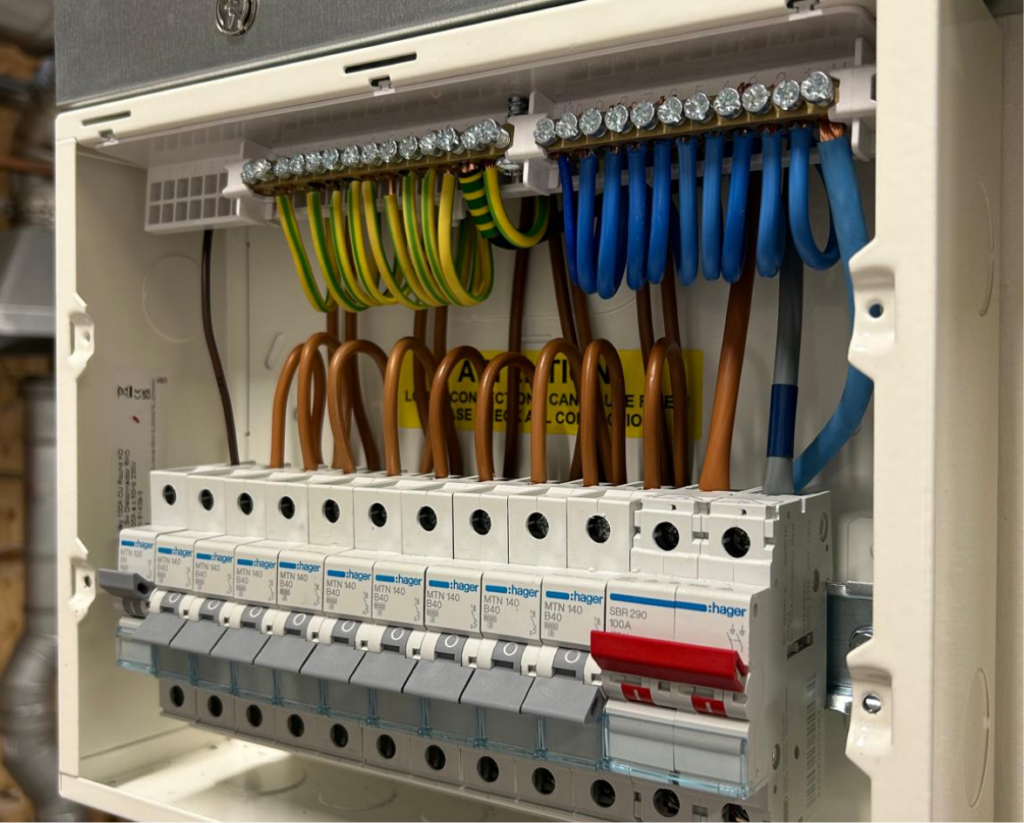
Every rewire includes a new consumer unit with up-to-date RCD or RCBO protection, providing the safeguards required by current regulations and offering far greater protection against electric shock and electrical fires than older fuse boards.
A rewire is an opportunity to reconfigure circuits, add sockets where they're needed, install dedicated circuits for modern appliances, and position everything to suit how the property is actually used - rather than inheriting the limitations of a decades-old installation.
A property with a recently rewired installation and a valid Electrical Installation Certificate is more attractive to buyers and easier to sell or let, removing a common sticking point in property transactions.
A rewire creates the capacity to add EV chargers, home automation systems, underfloor heating, and other modern electrical requirements that may not have been possible on the old installation.
Knowing that the wiring throughout your property is new, correctly installed, and properly certified means you can use your electrical installation with confidence.
Industry guidance is clear that properties with wiring more than 25 years old should be assessed by a qualified electrician to determine whether a full or partial rewire is required.
A rewire is necessary when a property's existing electrical installation is no longer safe, no longer compliant with current regulations, or simply no longer fit for purpose for the way the property is used. There are several situations where a rewire is likely to be the right course of action.
Properties built before the 1970s - and particularly those that have not had significant electrical work carried out since - are very likely to have wiring that has reached or passed the end of its safe working life. Rubber-insulated cables, lead-sheathed wiring, and older wiring types become brittle and unsafe over time and are no longer compliant with current BS 7671 standards. An EICR will typically identify these issues and recommend a rewire.
If you are purchasing an older property, it is strongly advisable to have the electrical installation inspected before or shortly after purchase. An Electrical Installation Condition Report will tell you the state of the existing wiring and whether a rewire is recommended. Getting this sorted at the outset avoids inheriting a potential safety issue and can also provide clarity during the conveyancing process.
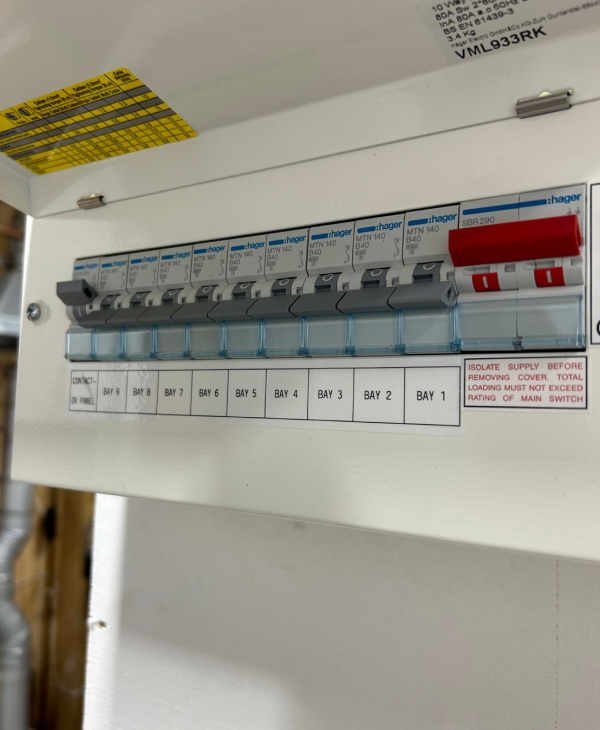
Homeowners undertaking full or partial renovations - loft conversions, extensions, kitchen and bathroom refurbishments - will often find that a rewire or partial rewire makes sense alongside the building work. Rewiring is far more straightforward before new plasterwork and finished surfaces are in place, and it's the ideal time to add circuits for modern requirements.
Commercial and industrial premises with ageing electrical infrastructure should be assessed by a qualified electrician. Many older commercial buildings have wiring that has been added to and modified over the decades and may no longer meet current standards or have the capacity to support modern electrical loads.
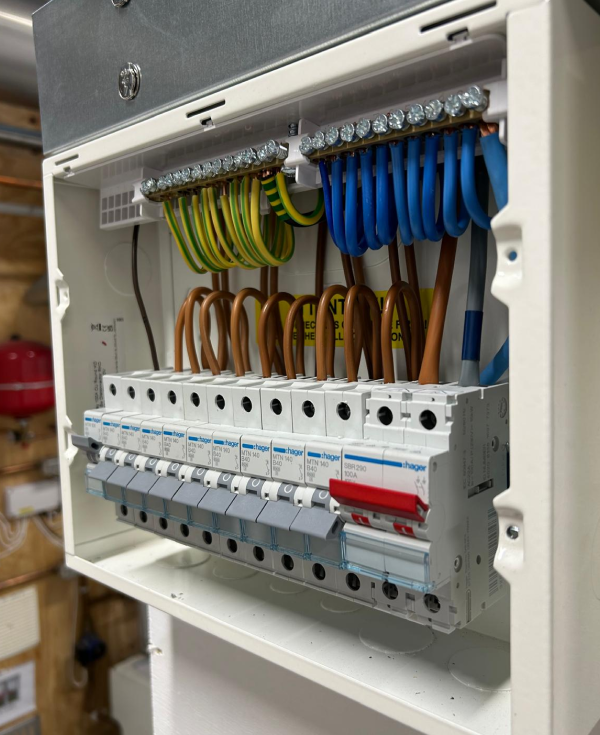
A rewire is a significant piece of work and it's worth understanding what's involved before proceeding. Being well-informed will help the project go smoothly and avoid any surprises.
The right maintenance frequency depends on the type of premises, the complexity of the installation, and the legal and insurance requirements that apply to you. For most commercial premises, annual maintenance is a reasonable baseline. Industrial facilities with higher-risk installations may require more frequent visits. We'll advise on the most appropriate programme for your specific situation.
It's important to be clear about what the maintenance visit will cover. A thorough electrical maintenance visit should include visual inspection of the installation, testing of key components, inspection of the consumer unit or distribution board, checking of RCDs and circuit breakers, and a review of any areas of concern identified in the last EICR or maintenance visit. We'll agree the scope with you clearly before any visit takes place.
Proper records of electrical maintenance visits are essential, particularly for commercial and industrial clients with compliance obligations. We provide full written reports after every maintenance visit, detailing what was inspected, what was found, and any recommendations for remedial works.
Electrical maintenance visits are a natural opportunity to carry out minor works, replace components that are showing signs of wear, and address any small issues identified during the inspection before they develop into larger problems. We'll always flag anything we find and give you a clear, no-pressure recommendation on whether action is required.
For commercial and industrial clients where maintenance needs to be carried out outside of operating hours to avoid disruption, we offer out-of-hours scheduling. This is something we discuss and agree at the contract stage.
At LC Electrical Installations, we carry out a thorough site survey before every rewire to ensure the project is properly planned, accurately quoted, and completed with the minimum disruption possible.
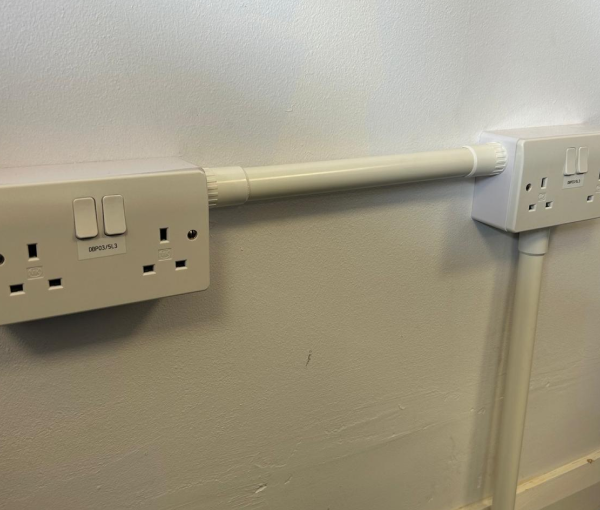
At LC Electrical Installations, we have the experience, qualifications, and attention to detail required to carry out rewires to the highest standard. A rewire is not a job to cut corners on - it is the foundation of your property's electrical installation and getting it right matters. We take that seriously.
From the initial survey through to final testing and certification, we manage every rewire professionally and keep you informed throughout. We work cleanly, take care of the property, and aim to complete the work with as little disruption as possible. On completion, you receive full certification and documentation — an Electrical Installation Certificate that confirms the work has been carried out correctly and your installation meets the requirements of BS 7671.
We carry out rewires for homeowners, landlords, property developers, commercial clients, and industrial operators across London, Hertfordshire, Buckinghamshire, Bedfordshire, and Middlesex. LC Electrical Installations is NICEIC approved, ensuring every rewire is completed to the highest safety and quality standards with all required notifications handled on your behalf.
1. Free Site Survey & Consultation
2. Assessment of Existing Installation & Circuit Planning
3. Detailed Quote & Agreed Programme of Works
4. First Fix - New Cables Installed Throughout the Property
5. Consumer Unit / Distribution Board Installation
6. Second Fix - Sockets, Switches, Outlets & Accessories Fitted
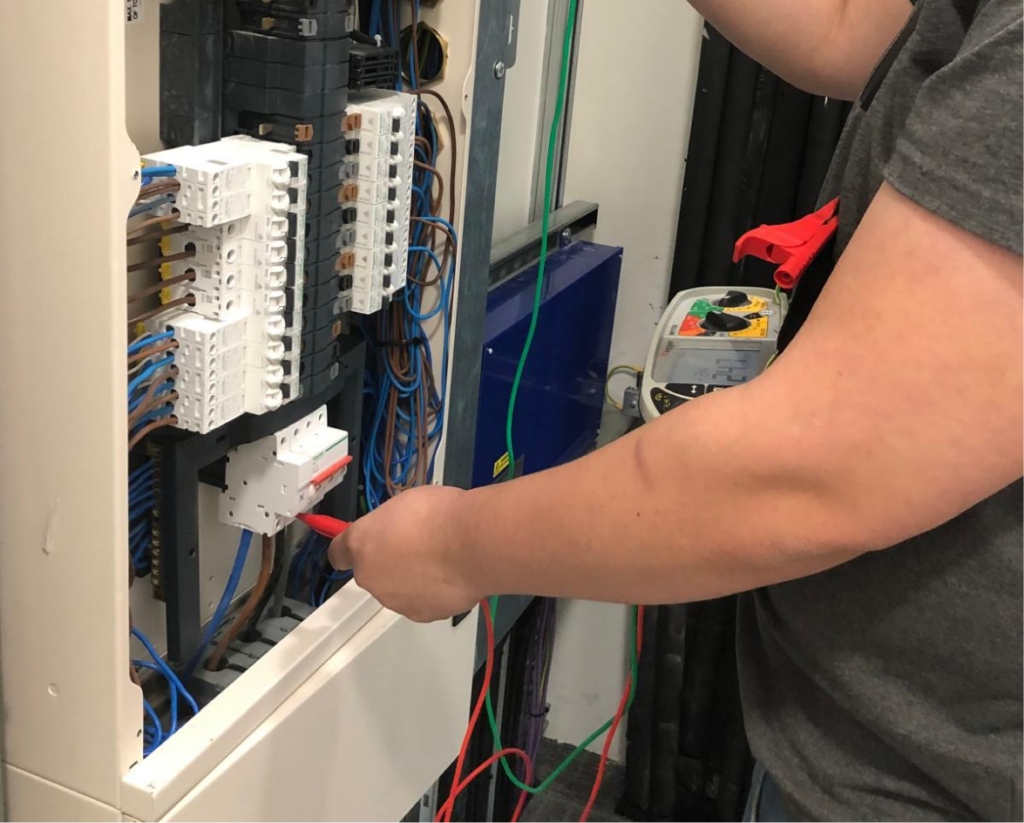
7. Full Testing & Inspection to BS 7671
8. Certification, Notification & Completion Documentation
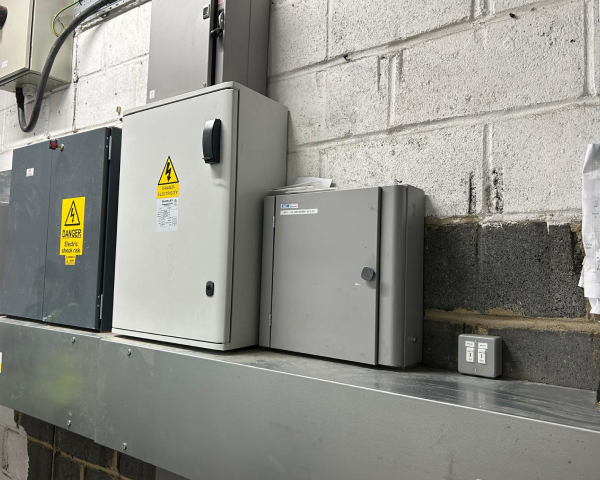
Common signs that a rewire may be needed include frequently tripping circuits, flickering lights, discoloured or warm sockets and switches, old-style round-pin sockets, a fuse board rather than a modern consumer unit with RCDs, or wiring that hasn't been inspected or updated in over 25 years. An EICR will assess the condition of your installation and tell you whether a rewire is recommended.
For a typical three-bedroom domestic property, a full rewire generally takes around three to five days. Larger homes, commercial premises, and industrial facilities will take longer. We'll give you a clear timescale as part of your quote so you know what to expect from the outset.
For a full rewire of an occupied home, many clients find it more practical to be out of the property - or at least out of the rooms being worked on - during the work. We'll discuss the most sensible approach for your specific property and situation during the survey.
Some making good is typically required after a rewire - walls may need replastering where cables have been chased in, and floorboards will need to be refitted. The extent varies depending on the property and the installation method used. We'll be clear about what to expect during the survey and quote stage.
Yes. A full rewire of a domestic property is notifiable work under Part P of the Building Regulations in England. As NICEIC-registered contractors, we self-certify the completed work and handle all required notifications on your behalf, so you don't need to separately involve Building Control.
Yes. We carry out rewires for commercial premises and industrial facilities of all sizes across London and the Home Counties. Commercial and industrial rewires are carefully scheduled to minimise disruption to operations and are fully certified to BS 7671 on completion.
On completion of a full rewire, you'll receive an Electrical Installation Certificate confirming that the work has been carried out in accordance with BS 7671 and the installation has been properly tested. This is an important document for your records, your insurer, and any future property sale or letting.
The cost depends on the size of the property, the complexity of the existing installation, the number of circuits required, and the extent of the work involved. We provide free, no-obligation site surveys and detailed quotes tailored to each project - get in touch to arrange a survey.
Whether you're dealing with ageing wiring that needs replacing, purchasing a property that requires an updated electrical installation, or planning a renovation where a rewire makes sense alongside the building work, LC Electrical is ready to help. We offer free, no-obligation site surveys and detailed quotes for rewires across London, Hertfordshire, Buckinghamshire, Bedfordshire, and Middlesex.
Our team is easy to deal with, responsive, and experienced across all types of residential, commercial, and industrial rewiring projects. Get in touch today and tell us what you need - we'll take it from there.